

Watching a German Shepherd struggle with hip dysplasia—whether it’s difficulty standing, sliding on slick floors, or waking stiff—is heartbreaking. Soft or thin foam beds often collapse under their weight, creating painful pressure points and worsening joint discomfort. Furthermore, accidents or dirt without a waterproof, washable cover can quickly render a bed unsanitary, adding stress for owners. Choosing the best orthopedic dog bed is therefore crucial, offering stability, firm support, and long-term joint relief.

Foundational Support: Foam Quality, Density, and Thickness
For German Shepherds, typically weighing 60–95 pounds, hip dysplasia means every pound increases joint pressure, making foam quality paramount for comfort and stability. Firm, solid memory foam is the gold standard (ideally ≥4 lb/ft³). Unlike egg-crate foam, which compresses unevenly, solid high-density foam distributes weight uniformly, preventing painful ‘bottoming out.’ Owners often report thinner beds sagging prematurely, requiring frequent replacement. Thickness is equally vital. Aim for at least 4–6 inches, or 7 inches or more for Shepherds over 80 pounds or those struggling to rise. This extra height provides stable lift without sinking, significantly reducing strain on hips and elbows during movement and rest.
To Bolster or Not to Bolster: Navigating Bed Design
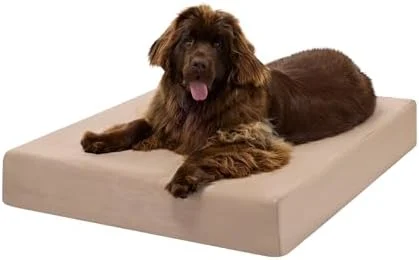
Bolsters offer security, preventing rolling, and supporting the neck and spine, creating a cozy ‘nest.’ Owners note low-profile bolsters aid hip alignment, but tall, four-sided bolsters can impede movement, trapping senior dogs or those with advanced dysplasia, making standing difficult. A design with three bolsters and a low front entry offers the best balance: stability with easy access. Flat orthopedic beds, especially those with 7″ solid memory foam, provide unobstructed access and stable lift, ideal for GSDs prone to sudden collapse. The trade-off is less ‘cocoon’ comfort. The choice depends on mobility: bolsters for moderate cases, a flat mattress for severe issues. The Barker Beds Orthopedic XL Dog Bed, with its 7-inch memory foam, offers a strong option for support and accessibility.
Keeping Cool: Solutions for Dense Coats
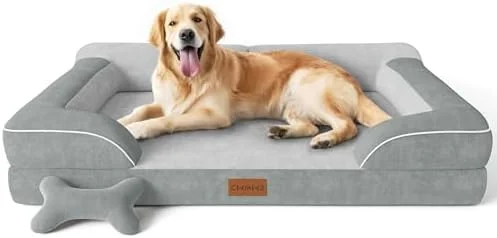
German Shepherds’ dense double coats can cause overheating, especially on insulating orthopedic foam, exacerbating hip discomfort. Cooling features are valuable for warm climates or dogs prone to panting at night. Options include gel-infused memory foam for heat dissipation, or breathable egg-crate layers for improved airflow (though potentially compromising firmness). Elevated cots provide excellent circulation, but their height can challenge dogs with severe mobility issues. Cover materials also matter; breathable fabrics like linen blends or mesh release heat faster than plush materials. The optimal compromise is a solid memory foam base combined with a ventilated or cooling cover, ensuring joint support without overheating. The CWAWZ Extra Large Orthopedic Dog Bed, featuring cooling gel memory foam, exemplifies this approach.
Essential Hygiene and Stability: Non-Slip Bases and Waterproof Covers
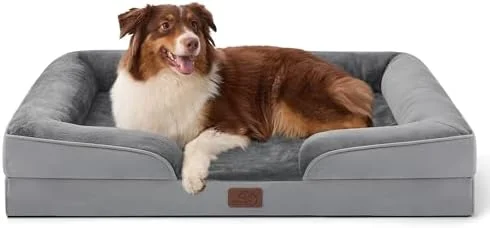
A common issue for German Shepherd owners is beds sliding out from under their dog when standing, worsening hip instability. A non-slip base, with rubber dots or textured grip, is crucial for stability, allowing confident movement without loss of traction. Hygiene is another major concern due to shedding, dirt, and potential incontinence. Removable, machine-washable zippered covers with durable seams are essential. However, a washable outer cover isn’t enough; liquids can penetrate foam, causing odors, bacteria, and shortening bed life. An inner waterproof liner is indispensable. While some premium brands offer liners as add-ons, budget brands may integrate waterproof coating into the cover. The most reliable solution is a two-layer system: a washable outer cover and a separate waterproof liner protecting the foam core. Both a non-slip base and robust washable, waterproof protection are vital for extending bed life, protecting your investment, and providing a stable, clean resting place. The Bedsure Orthopedic Dog Beds Large offer these crucial features.
The Investment Dilemma: Budget vs. Premium Beds
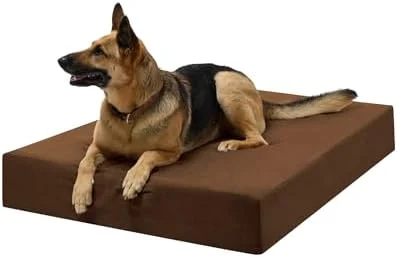
Not all German Shepherd owners can immediately invest in a premium orthopedic bed. Budget-friendly models, like the Bedsure Orthopedic, offer an accessible entry with 4 inches of medium-density foam, a washable waterproof cover, and a non-slip base, suitable for younger or lighter GSDs under 70 pounds for short-term comfort. However, budget beds often feature thinner foam that compresses quickly under a 90-pound Shepherd, flattening within a year. Makeshift solutions like ‘stacking’ rarely provide lasting support, and a sagging bed can worsen mobility as hip dysplasia progresses, negating initial savings. Premium beds, such as the Big Barker (7″ solid memory foam) or K9 Ballistics Tough Bolster, justify their higher price through longevity, often guaranteed for 8–10 years without sagging. They provide consistent, stable lift and even pressure relief, crucial for joint alignment. Their high-quality covers and liners also manage accidents more effectively, extending usability. The decision to upgrade is clear if your GSD is over 80 pounds, struggles to rise, or if you frequently replace cheaper beds. Over a decade, a premium bed often proves more economical annually. The Big Barker 7″ XL, for instance, offers exceptional ~7-inch solid orthopedic foam with a 10-year flattening guarantee, though at a premium cost and bulky size. The K9 Ballistics Tough Bolster Large provides solid firm foam and a durable ballistic cover, but its high sofa-style bolsters can hinder entry for seniors and reduce sleeping space.
Sizing for Success: How to Measure and Choose the Right Fit
Incorrect sizing is a leading cause of orthopedic bed returns, particularly for long-bodied German Shepherds. A bed labeled ‘XL’ can shrink considerably once bolsters are factored in, leaving your GSD cramped, increasing pressure points, and hindering repositioning. A simple sizing rule is nose-to-rump length plus 4–6 inches, typically meaning a 42–48 inch bed for most adult GSDs. If your dog sprawls or sleeps on its side, opt for the larger end to prevent limbs from hanging off. Bolsters add complexity; a “48-inch” bed might only offer 42 inches of flat interior space. Always check interior sleeping dimensions, not just outer size. Bed height is also vital: while 6–7 inches of solid foam provides stable lift, ensure the front edge or bolster is low enough for easy entry, especially for senior GSDs who need a gentle step-in. Correct sizing ensures your Shepherd can stretch, roll, and stand comfortably without strain.
Insights from Owners: Real-World Experiences
Real-world experiences from German Shepherd owners offer crucial insights beyond specifications. Online forums consistently highlight recurring issues and successes: ‘The bed shoots away when he tries to stand up’ underlines the necessity of non-slip bottoms. Reports of ‘stacking two foam beds’ confirm that thinner 4-inch foam often collapses too quickly under heavier GSDs. While bolsters provide comfort, ‘bolstered edges… make it harder to get up,’ emphasizing the value of low-entry designs. Frustrations with beds being ‘not 100% waterproof’ underscore the need for true waterproof liners. Conversely, positive feedback like ‘He rarely seems stiff getting up now’ after switching to solid 7-inch memory foam confirms its tangible benefits for morning mobility. These patterns affirm that the best orthopedic beds for GSDs with hip dysplasia must provide firm, solid foam, non-slip grip, washable covers, and reliable waterproof liners, or they risk early replacement.
Frequently Asked Questions
How thick should an orthopedic bed be for a German Shepherd with hip dysplasia?
Aim for at least 4–6 inches of solid, high-density foam. For GSDs over 80–90 lb, 7 inches is ideal to prevent “bottoming out” and ensure even weight distribution.
Solid memory foam vs. egg-crate: which supports better?
Solid memory foam offers uniform firmness for hip alignment, especially under heavy weight. Egg-crate foam improves airflow but often compresses unevenly, leading to pressure points in large breeds.
Do bolsters help GSDs with hip issues or make it harder to get up?
Bolsters offer neck and spine support and reduce rolling, but high walls can be a barrier for seniors. Designs with three bolsters and a low front entry provide easier access.
What size bed fits most GSDs and when should I size up?
Most adult Shepherds need a bed in the 42–48 inch range (nose-to-rump length + 4–6 inches). Size up if your dog sprawls or shares the bed. Always check interior sleeping dimensions.
Are waterproof liners worth it for incontinence?
Yes, waterproof liners are essential to protect the foam from urine or spills, preventing odors and significantly extending bed life. ‘Water-resistant’ covers alone are insufficient.
What are the best options for hot climates or dogs with heavy coats?
Beds with gel-infused foam or breathable covers help dissipate heat. Elevated cots also improve airflow, though they may be harder for dogs with severe mobility issues to climb.
How can I reduce slipping when my dog tries to stand up?
Choose a bed with a rubberized non-slip base. For extra traction on slick floors, place the bed over a rug or use additional non-slip mats underneath.
What kind of warranty or return policy matters most for large-breed beds?
Look for at least 1–2 years of flattening coverage and a 30–100 night trial period. Premium brands often offer 10-year guarantees, ensuring foam support under heavy breeds.
Conclusion: Prioritizing Support, Comfort, and Lasting Value
Hip dysplasia doesn’t have to mean restless nights for your German Shepherd. The right orthopedic bed provides stability, firm support that won’t sag, and protection against daily messes. Features like 7-inch solid memory foam, low-entry bolsters, non-slip bases, and washable waterproof covers are crucial for comfort and confidence. While budget beds offer short-term relief, upgrading to a premium option is often wise if your Shepherd struggles to rise or their current bed’s foam has flattened. A quality investment pays for itself in durability and consistent relief, lasting years. Choosing the best orthopedic dog bed for hip dysplasia in German Shepherds is an investment in their comfort, stability, and long-term joint health, significantly improving their quality of life.
